Khiva

Description of attractions
Khiva
WORK DETAILS

name

Khiva

Services

The Open-Air Museum of the Desert

Location

Khiva, Uzbekistan

Travel year

2025

OVERVIEW

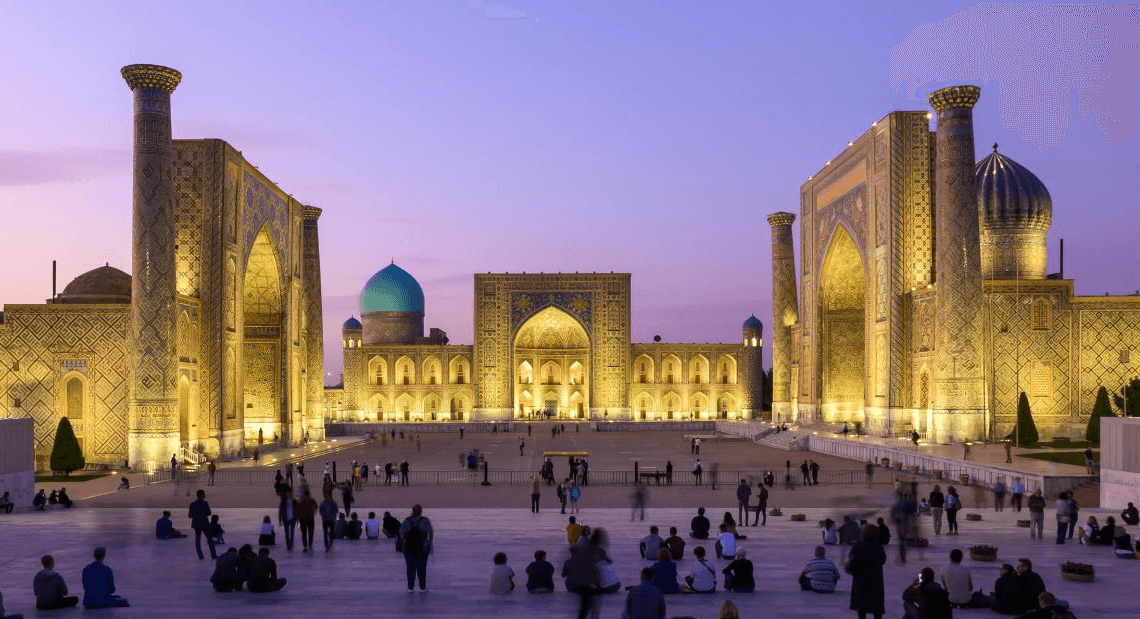
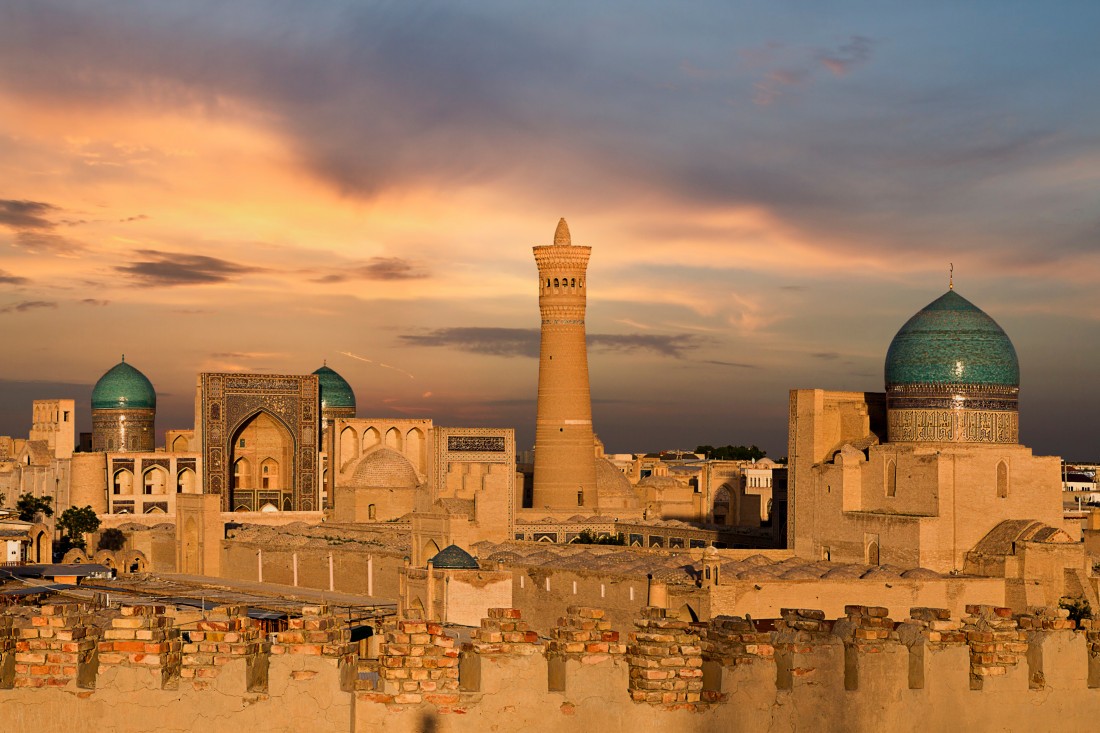
Khiva is a city frozen in time. Nestled at the edge of the Kyzylkum Desert, it feels more like a fairytale than a real place — a labyrinth of mudbrick walls, turquoise domes, and minarets glowing under the desert sun.

At the heart of Khiva lies Ichan-Kala, the walled inner city, which preserves the look and spirit of an ancient Silk Road town. Walking through its gates is like stepping into the 18th century — untouched, atmospheric, and full of stories.

Why Khiva Captivates the Imagination

Khiva is not just a museum under the open sky — it’s a living city where ancient stories echo in narrow alleys, where sunlight dances on mosaics, and where the call to prayer floats gently over clay rooftops. It’s a place to wander, wonder, and feel history with every step.
Kunya Ark
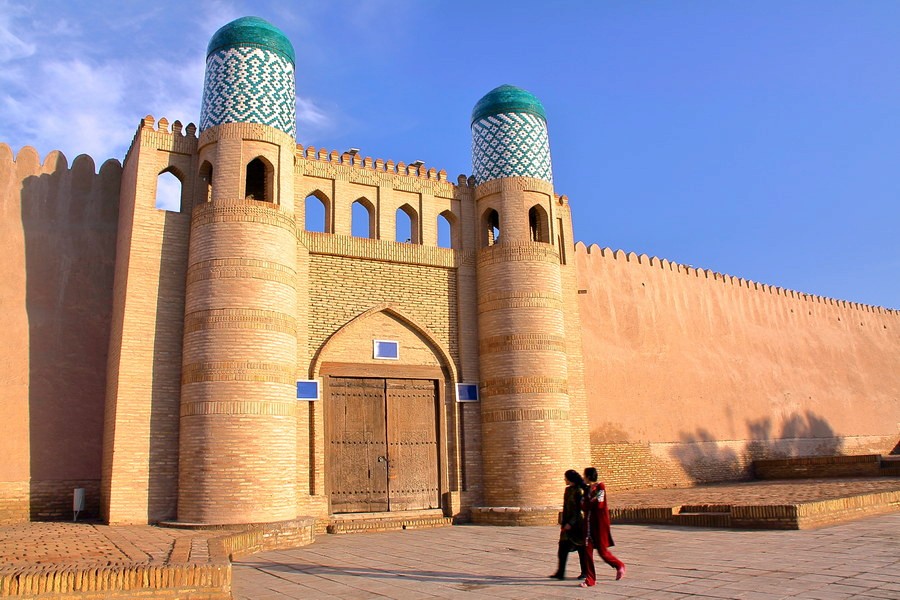
Kunya Ark – The Old Citadel of Power

Located near the western gate, Kunya Ark (meaning "Old Fortress") was once the official residence of Khiva's Khans. Behind its high walls, you'll find a complex of courtyards, administrative halls, a mosque, and even a harem. The viewing platform offers one of the best panoramic views of the city’s domes and minarets.

Juma Mosque – A Forest of Wooden Columns

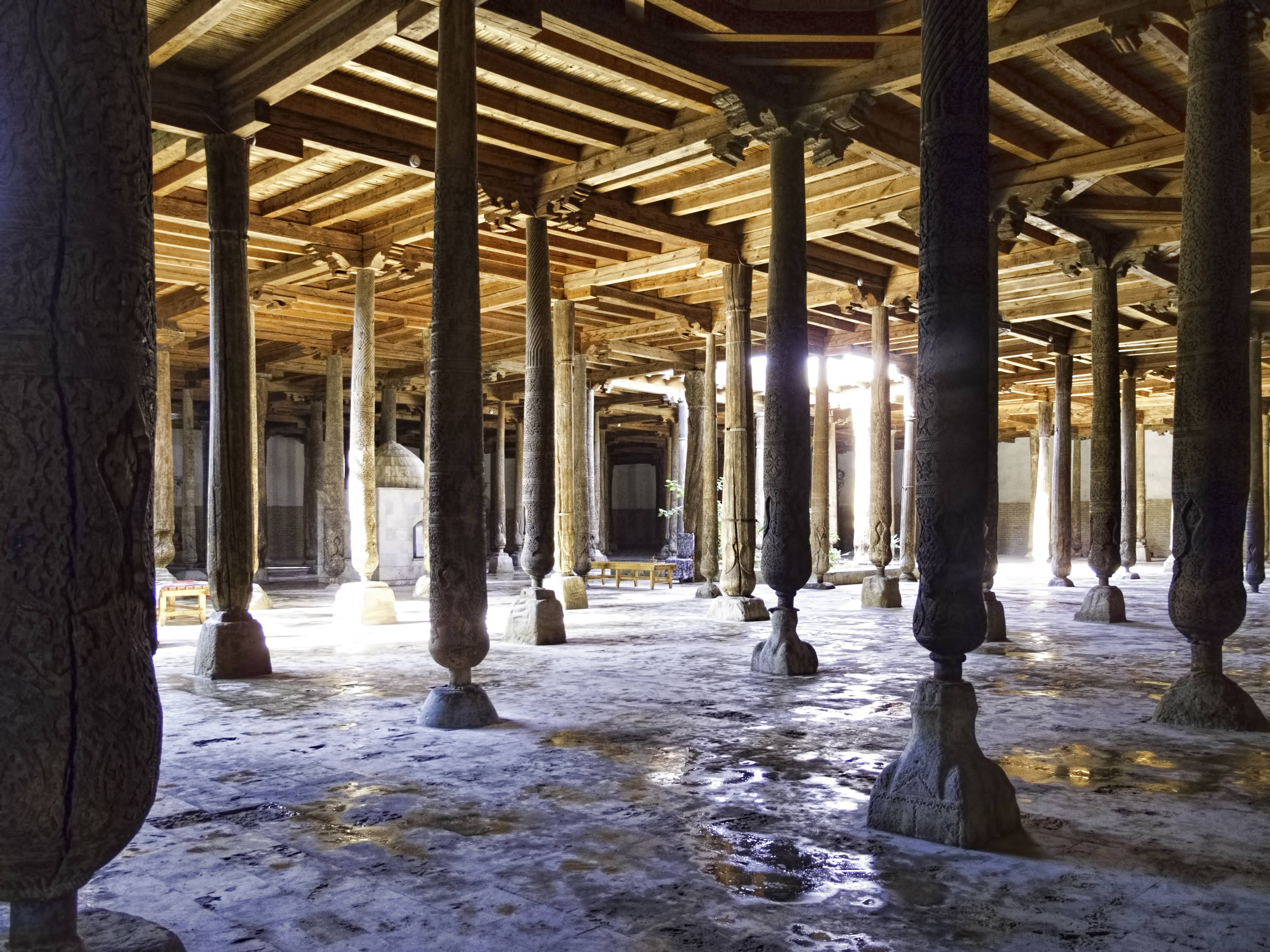
Unlike any other mosque in Uzbekistan, the Juma Mosque is a peaceful, mysterious structure built in the 10th century and later rebuilt in the 18th century. It has no towering domes or minarets — instead, its beauty lies in simplicity: over 200 carved wooden columns, each with a unique design, support the flat roof and fill the hall with shadows and light.

Juma Mosque
Kalta Minor
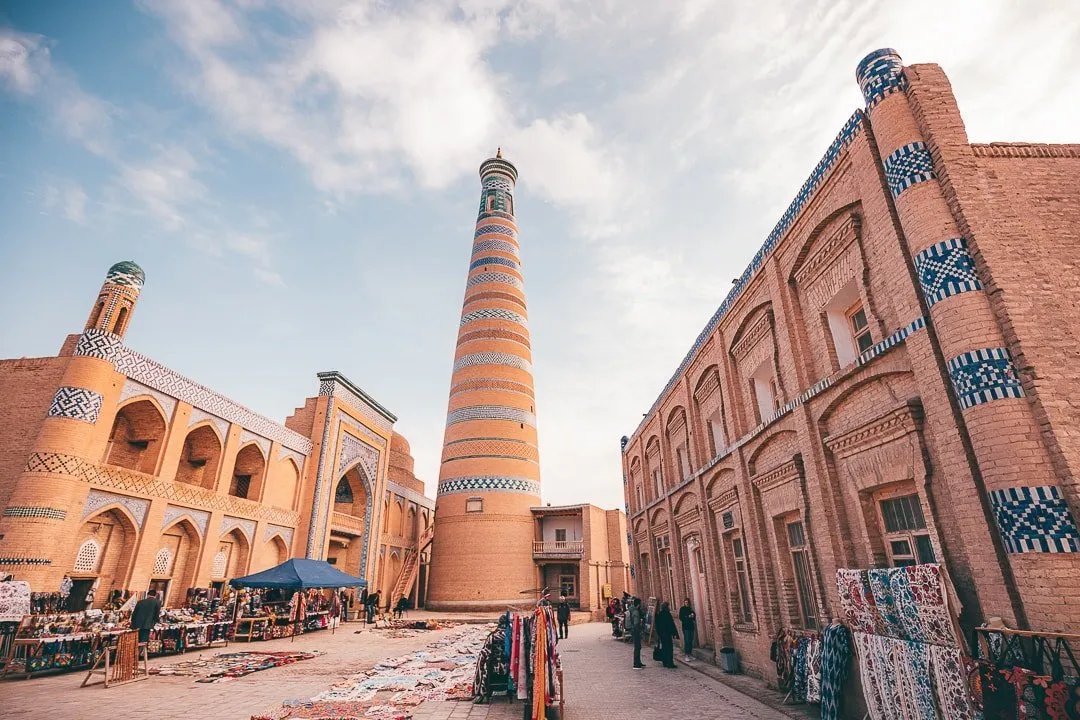
Kalta Minor Minaret – The Unfinished Giant

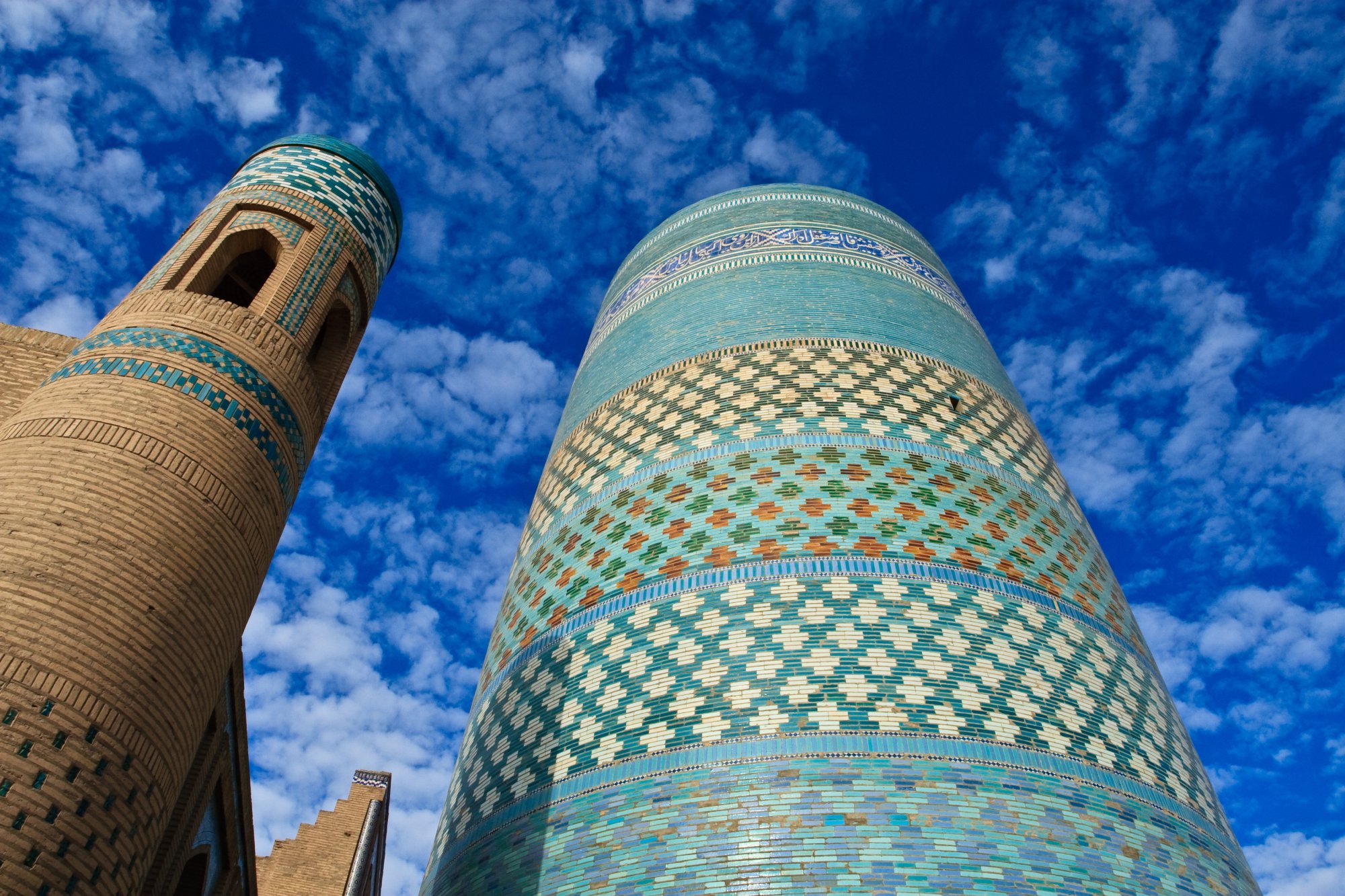
Short but striking, the Kalta Minor minaret stands like a giant turquoise candle at the entrance to Ichan-Kala. Built in 1851, it was intended to be the tallest minaret in Central Asia — but construction stopped abruptly after the khan’s death. Its bold, unfinished beauty and colorful tilework make it one of Khiva’s most photographed landmarks.

Khiva

Description of attractions
Khiva
WORK DETAILS

name

Khiva

Services

The Open-Air Museum of the Desert

Location

Khiva, Uzbekistan

Travel year

2025

OVERVIEW

Khiva is a city frozen in time. Nestled at the edge of the Kyzylkum Desert, it feels more like a fairytale than a real place — a labyrinth of mudbrick walls, turquoise domes, and minarets glowing under the desert sun.

At the heart of Khiva lies Ichan-Kala, the walled inner city, which preserves the look and spirit of an ancient Silk Road town. Walking through its gates is like stepping into the 18th century — untouched, atmospheric, and full of stories.

Why Khiva Captivates the Imagination

Khiva is not just a museum under the open sky — it’s a living city where ancient stories echo in narrow alleys, where sunlight dances on mosaics, and where the call to prayer floats gently over clay rooftops. It’s a place to wander, wonder, and feel history with every step.

Kunya Ark
Kunya Ark – The Old Citadel of Power

Located near the western gate, Kunya Ark (meaning "Old Fortress") was once the official residence of Khiva's Khans. Behind its high walls, you'll find a complex of courtyards, administrative halls, a mosque, and even a harem. The viewing platform offers one of the best panoramic views of the city’s domes and minarets.
Juma Mosque – A Forest of Wooden Columns

Unlike any other mosque in Uzbekistan, the Juma Mosque is a peaceful, mysterious structure built in the 10th century and later rebuilt in the 18th century. It has no towering domes or minarets — instead, its beauty lies in simplicity: over 200 carved wooden columns, each with a unique design, support the flat roof and fill the hall with shadows and light.

Juma Mosque
Kalta Minor
Kalta Minor Minaret – The Unfinished Giant

Short but striking, the Kalta Minor minaret stands like a giant turquoise candle at the entrance to Ichan-Kala. Built in 1851, it was intended to be the tallest minaret in Central Asia — but construction stopped abruptly after the khan’s death. Its bold, unfinished beauty and colorful tilework make it one of Khiva’s most photographed landmarks.

Khiva

Description of attractions
Khiva
WORK DETAILS

name

Khiva

Services

The Open-Air Museum of the Desert

Location

Khiva, Uzbekistan

Travel year

2025

OVERVIEW

Khiva is a city frozen in time. Nestled at the edge of the Kyzylkum Desert, it feels more like a fairytale than a real place — a labyrinth of mudbrick walls, turquoise domes, and minarets glowing under the desert sun.

At the heart of Khiva lies Ichan-Kala, the walled inner city, which preserves the look and spirit of an ancient Silk Road town. Walking through its gates is like stepping into the 18th century — untouched, atmospheric, and full of stories.

Why Khiva Captivates the Imagination

Khiva is not just a museum under the open sky — it’s a living city where ancient stories echo in narrow alleys, where sunlight dances on mosaics, and where the call to prayer floats gently over clay rooftops. It’s a place to wander, wonder, and feel history with every step.

Kunya Ark
Kunya Ark – The Old Citadel of Power

Located near the western gate, Kunya Ark (meaning "Old Fortress") was once the official residence of Khiva's Khans. Behind its high walls, you'll find a complex of courtyards, administrative halls, a mosque, and even a harem. The viewing platform offers one of the best panoramic views of the city’s domes and minarets.
Juma Mosque – A Forest of Wooden Columns

Unlike any other mosque in Uzbekistan, the Juma Mosque is a peaceful, mysterious structure built in the 10th century and later rebuilt in the 18th century. It has no towering domes or minarets — instead, its beauty lies in simplicity: over 200 carved wooden columns, each with a unique design, support the flat roof and fill the hall with shadows and light.

Juma Mosque
Kalta Minor
Kalta Minor Minaret – The Unfinished Giant

Short but striking, the Kalta Minor minaret stands like a giant turquoise candle at the entrance to Ichan-Kala. Built in 1851, it was intended to be the tallest minaret in Central Asia — but construction stopped abruptly after the khan’s death. Its bold, unfinished beauty and colorful tilework make it one of Khiva’s most photographed landmarks.